Die back
verb
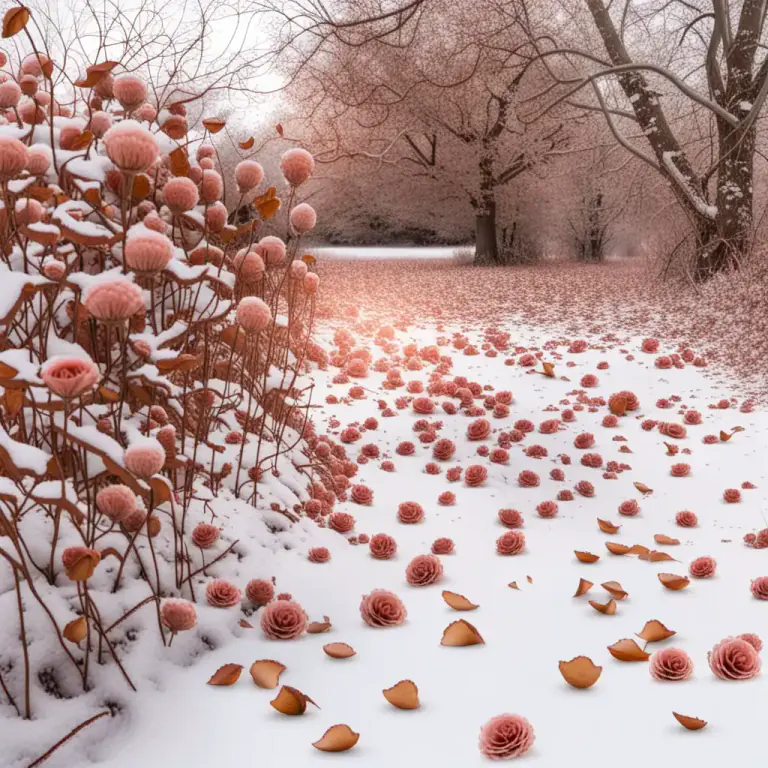
When a plant dies back, its leaves and stems start to dry and fall off, usually in the winter or because of a disease.
The rose bush will die back in the winter, but it will start to grow again in the spring.
Often appears as...
- plants die back
- trees die back
verb
In medicine, 'die back' refers to the process where tissue or a part of the body starts to decay or stop functioning.
The doctor warned if the wound wasn't properly treated, the tissue may die back.

Often appears as...
- tissue dies back
- cells die back
Usage tips
Formal
Technical
verb
When a plant dies back, its leaves and stems start to dry and fall off, usually in the winter or because of a disease.
The rose bush will die back in the winter, but it will start to grow again in the spring.
Often appears as...
- plants die back
- trees die back
verb
In medicine, 'die back' refers to the process where tissue or a part of the body starts to decay or stop functioning.
The doctor warned if the wound wasn't properly treated, the tissue may die back.
Often appears as...
- tissue dies back
- cells die back
Usage tips
Formal
Technical
Definition 1 of 2
 Pro Tip 1/3
Seasonal Cycle
The phrase is often related to natural seasonal patterns in plants.

Expect the perennial herbs to die back in autumn.
Pro Tip 2/3Not Permanent
In gardening, 'die back' doesn't always mean the plant is dead; it may regrow.

Although the bushes die back, they will return each spring.
Pro Tip 3/3Observational Cues
Look for visual cues like browning leaves when plants die back.

The hydrangea starts to die back when its leaves turn brown.
Pro Tip 1/3Seasonal Cycle
The phrase is often related to natural seasonal patterns in plants.
Expect the perennial herbs to die back in autumn.
Pro Tip 2/3Not Permanent
In gardening, 'die back' doesn't always mean the plant is dead; it may regrow.
Although the bushes die back, they will return each spring.
Pro Tip 3/3Observational Cues
Look for visual cues like browning leaves when plants die back.
The hydrangea starts to die back when its leaves turn brown.
Pro Tip 1/3Seasonal Cycle
The phrase is often related to natural seasonal patterns in plants.
Expect the perennial herbs to die back in autumn.
Pro Tip 2/3Not Permanent
In gardening, 'die back' doesn't always mean the plant is dead; it may regrow.
Although the bushes die back, they will return each spring.
Pro Tip 3/3Observational Cues
Look for visual cues like browning leaves when plants die back.
The hydrangea starts to die back when its leaves turn brown.
Never forget "Die back"
Humans forget easily. That's why you should download WordUp: Smart reminders, word games, AI practice, and much more!





WordUp Chrome Extension
As you browse the web instantly look up words you don’t know.
Get Chrome Extension