Have seen/known better days


phrase
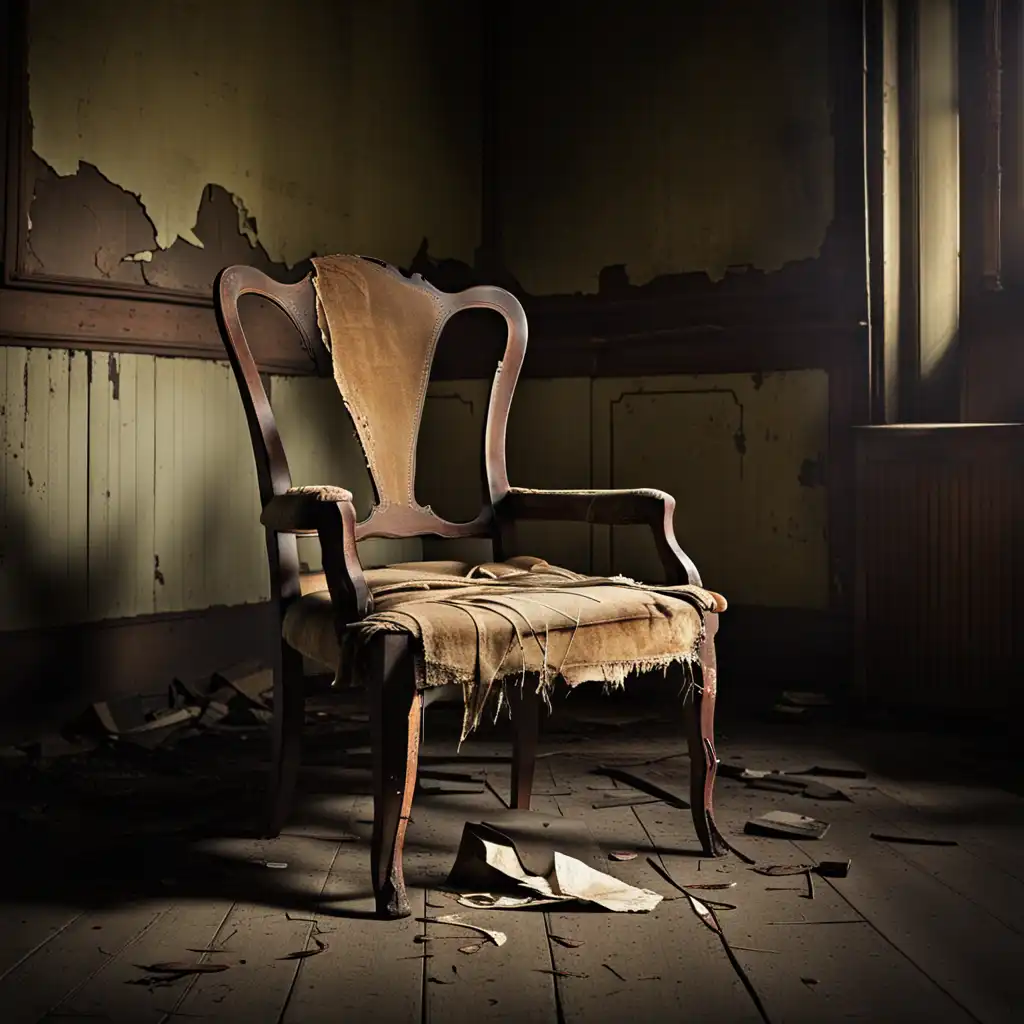
Used to describe something that is old and in poor condition or no longer as useful or successful as it was in the past.
This chair has seen better days, we should probably replace it.
Often appears as...
- this park had seen better days
- my old car has seen better days
Usage tips
Idiomatic
phrase
Used to describe someone who is not in a good physical or emotional state.
After the long, demanding trek, John looked like he had seen better days.

Often appears as...
- he looked like he had known better days
- she seems like she has seen better days
Usage tips
Idiomatic
phrase
Used to describe something that is old and in poor condition or no longer as useful or successful as it was in the past.
This chair has seen better days, we should probably replace it.
Often appears as...
- this park had seen better days
- my old car has seen better days
Usage tips
Idiomatic
phrase
Used to describe someone who is not in a good physical or emotional state.
After the long, demanding trek, John looked like he had seen better days.
Often appears as...
- he looked like he had known better days
- she seems like she has seen better days
Usage tips
Idiomatic
Definition 1 of 2
 Pro Tip 1/3
Objects’ Condition
Use when observing that objects are damaged or show wear from use or age.

Her family heirloom has seen better days; it's quite tarnished now.
Pro Tip 2/3Time Reference
Implies comparison with a past state where the object was newer or functional.

This old train station has known better days before the modern terminals were built.
Pro Tip 3/3Not Literal
It's a figurative phrase and shouldn’t be taken to mean seeing or knowing days literally.

This sofa has seen better days; it's an expression, not that it actually 'sees'.
Never forget "Have seen/known better days"
Humans forget easily. That's why you should download WordUp: Smart reminders, word games, AI practice, and much more!





WordUp Chrome Extension
As you browse the web instantly look up words you don’t know.
Get Chrome Extension