Accusative
adjective
In grammar, it relates to the form of a noun, pronoun, or adjective that is used to show the object of a verb, a preposition, or a phrase.
In the sentence 'I love you', 'you' is in the accusative case.

Often appears as...
- accusative case
- accusative form
Usage tips
Academic
noun
In grammar, it is the form of a noun, pronoun, or adjective that is used to show the object of a verb, a preposition, or a phrase.
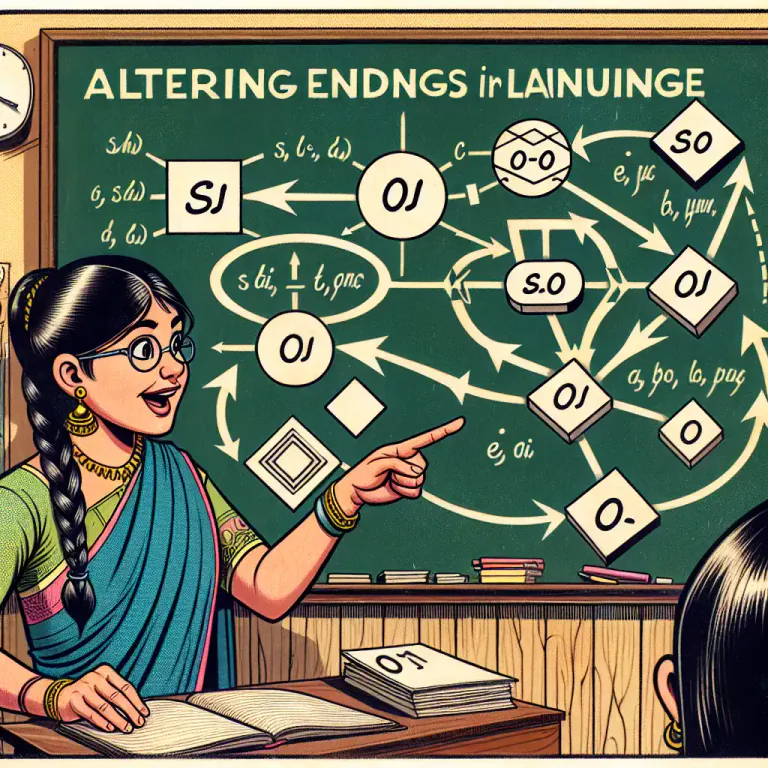
In some languages, the 'accusative' is marked by a specific ending.
Often appears as...
- accusative case
- direct object accusative
Usage tips
Academic
adjective
In grammar, it relates to the form of a noun, pronoun, or adjective that is used to show the object of a verb, a preposition, or a phrase.
In the sentence 'I love you', 'you' is in the accusative case.
Often appears as...
- accusative case
- accusative form
Usage tips
Academic
noun
In grammar, it is the form of a noun, pronoun, or adjective that is used to show the object of a verb, a preposition, or a phrase.
In some languages, the 'accusative' is marked by a specific ending.
Often appears as...
- accusative case
- direct object accusative
Usage tips
Academic
Definition 1 of 2
 Pro Tip 1/3
Grammar Role
Understand 'accusative' to know who receives the action in a sentence.

'She hugged him tightly', with 'him' being accusative.
Pro Tip 2/3Direct Impact
'Accusative' describes the noun directly affected by the verb's action.

In 'We watched the game', 'game' is in the accusative case.
Pro Tip 3/3Phrase Clarity
Using 'accusative' correctly helps clarify who or what a phrase pertains to.

'They gave the tourists a map,' with 'tourists' being accusative.
Pro Tip 1/3Grammar Role
Understand 'accusative' to know who receives the action in a sentence.
'She hugged him tightly', with 'him' being accusative.
Pro Tip 2/3Direct Impact
'Accusative' describes the noun directly affected by the verb's action.
In 'We watched the game', 'game' is in the accusative case.
Pro Tip 3/3Phrase Clarity
Using 'accusative' correctly helps clarify who or what a phrase pertains to.
'They gave the tourists a map,' with 'tourists' being accusative.
Pro Tip 1/3Grammar Role
Understand 'accusative' to know who receives the action in a sentence.
'She hugged him tightly', with 'him' being accusative.
Pro Tip 2/3Direct Impact
'Accusative' describes the noun directly affected by the verb's action.
In 'We watched the game', 'game' is in the accusative case.
Pro Tip 3/3Phrase Clarity
Using 'accusative' correctly helps clarify who or what a phrase pertains to.
'They gave the tourists a map,' with 'tourists' being accusative.
Never forget "Accusative"
Humans forget easily. That's why you should download WordUp: Smart reminders, word games, AI practice, and much more!





WordUp Chrome Extension
As you browse the web instantly look up words you don’t know.
Get Chrome Extension