Apposition
noun
A grammatical structure where two elements, usually nouns, are placed side by side, with one element serving to identify the other.
In the sentence, 'My friend, the doctor, is coming', 'the doctor' is in apposition to 'My friend'

Often appears as...
- in apposition to
- close apposition
Usage tips
Academic
noun
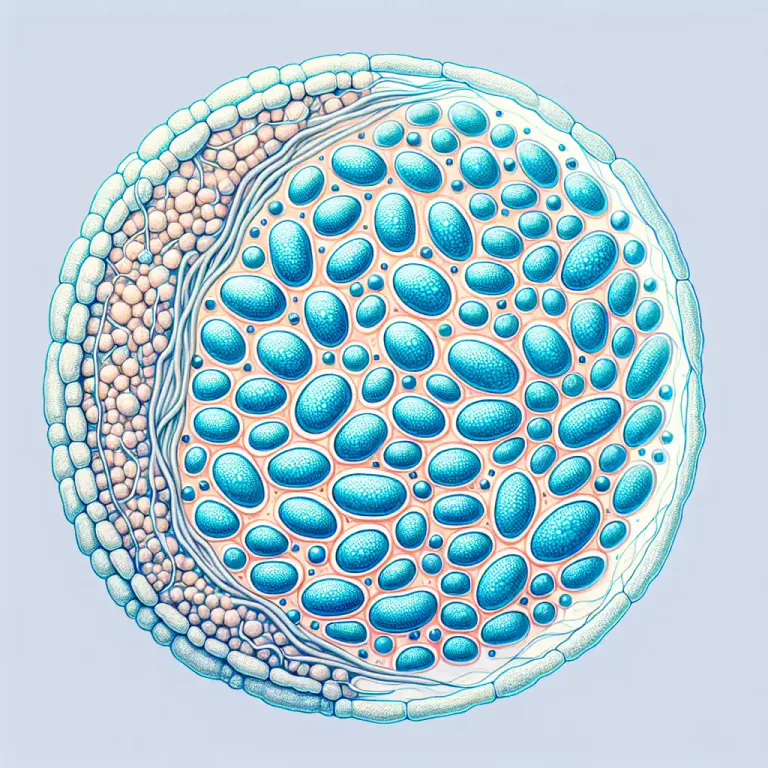
In biology, the positioning of structures side by side or close together.
The apposition of cells in the developing embryo helps to form tissue layers
Often appears as...
- apposition of cells
- close apposition
Usage tips
Scientific
noun
A grammatical structure where two elements, usually nouns, are placed side by side, with one element serving to identify the other.
In the sentence, 'My friend, the doctor, is coming', 'the doctor' is in apposition to 'My friend'
Often appears as...
- in apposition to
- close apposition
Usage tips
Academic
noun
In biology, the positioning of structures side by side or close together.
The apposition of cells in the developing embryo helps to form tissue layers
Often appears as...
- apposition of cells
- close apposition
Usage tips
Scientific
Definition 1 of 2
 Pro Tip 1/3
Identification Function
Apposition in English often provides additional identification or clarification about a noun.

The city of New York, a bustling metropolis, never sleeps.
Pro Tip 2/3Commas Matter
Commas are used to separate the appositive from the rest of the sentence, highlighting the apposition.

His car, an old red convertible, is his most prized possession.
Pro Tip 3/3Enhanced Description
Use apposition to add vividness or specificity to a noun without forming a separate sentence.

Leonardo da Vinci, a painter and inventor, is famous for the Mona Lisa.
Pro Tip 1/3Identification Function
Apposition in English often provides additional identification or clarification about a noun.
The city of New York, a bustling metropolis, never sleeps.
Pro Tip 2/3Commas Matter
Commas are used to separate the appositive from the rest of the sentence, highlighting the apposition.
His car, an old red convertible, is his most prized possession.
Pro Tip 3/3Enhanced Description
Use apposition to add vividness or specificity to a noun without forming a separate sentence.
Leonardo da Vinci, a painter and inventor, is famous for the Mona Lisa.
Pro Tip 1/3Identification Function
Apposition in English often provides additional identification or clarification about a noun.
The city of New York, a bustling metropolis, never sleeps.
Pro Tip 2/3Commas Matter
Commas are used to separate the appositive from the rest of the sentence, highlighting the apposition.
His car, an old red convertible, is his most prized possession.
Pro Tip 3/3Enhanced Description
Use apposition to add vividness or specificity to a noun without forming a separate sentence.
Leonardo da Vinci, a painter and inventor, is famous for the Mona Lisa.
Compare with
agreementcoincidencecorrelatorequivalenceidentityjuxtapositionparallelsimilarity
Never forget "Apposition"
Humans forget easily. That's why you should download WordUp: Smart reminders, word games, AI practice, and much more!





WordUp Chrome Extension
As you browse the web instantly look up words you don’t know.
Get Chrome Extension